Begin Your Path to Wellness

Functional Medicine
Functional medicine takes a personalized approach to healthcare by looking beyond symptoms to better understand the factors that may be contributing to them. Rather than simply treating the symptom, we look at the whole person—including nutrition, lifestyle, stress, sleep, environmental factors, and other aspects of health.
Through a detailed health history, appropriate laboratory testing, and individualized recommendations, we work with you to identify areas that may need support and create a personalized plan to help you feel your best and support long-term wellness.
Dr Carrie Verkuilen has been passionate about nutrition in her practice and has been excited to see people find the answers they are looking for.
Find the Why. Restore the Balance.
Common Tests Performed
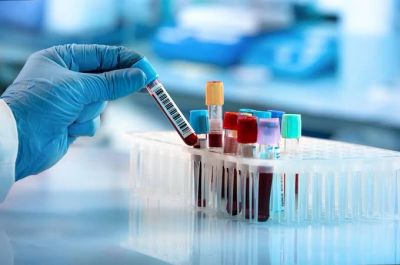
Lab Testing
Functional medicine practitioners often use many of the same standard medical tests as conventional clinicians, but may also order broader panels intended to look for nutritional, metabolic, hormonal, gastrointestinal, or environmental factors.
Common examples of tests performed:
- Basic blood work: CBC, comprehensive metabolic panel (CMP), fasting glucose, HbA1c, and lipid panel.
- Thyroid testing: TSH, free T4, and sometimes free T3 and thyroid antibodies.
- Nutrient testing: ferritin/iron studies, B12, folate, vitamin D, magnesium, and sometimes zinc or copper.
- Inflammation markers: hs-CRP, ESR, and sometimes homocysteine.
- Hormone testing: testosterone, estradiol, progesterone, DHEA-S, cortisol, LH/FSH, depending on sex, age, symptoms, and menstrual status.
- Advanced metabolic testing: fasting insulin, ApoB, lipoprotein(a), and sometimes more detailed lipid or insulin-resistance testing.
- GI/stool testing: comprehensive stool panels, fecal calprotectin, pancreatic elastase, occult blood, and tests for certain parasites or pathogens.
- SIBO testing: breath tests measuring hydrogen and methane after consuming a carbohydrate substrate.
- Food-related testing: elimination diets are sometimes used; some practitioners also order IgG food-antibody panels, although these are not considered reliable tests for food allergy or intolerance by major allergy organizations.
- Urine testing: urinalysis, urine organic acids, and sometimes 24-hour urine testing for specific metabolites or hormones.
- Environmental exposure testing: urine or blood tests for selected heavy metals or other exposures when there is a specific reason to suspect them.
- Genetic testing: panels involving genes such as MTHFR, APOE, or pharmacogenetic markers. Having a genetic variant doesn't necessarily mean that it is causing symptoms or requires treatment.
- Continuous glucose monitoring (CGM): occasionally used in people without diabetes to observe glucose patterns, although interpretation and clinical usefulness can vary.